
Style Spotlight: Cultured Pearl Engagement Rings | Jared
Style Spotlight: Cultured Pearl Engagement Ring

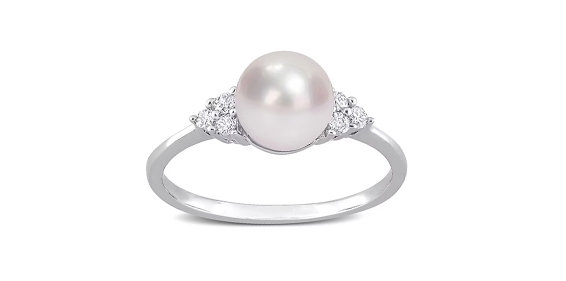
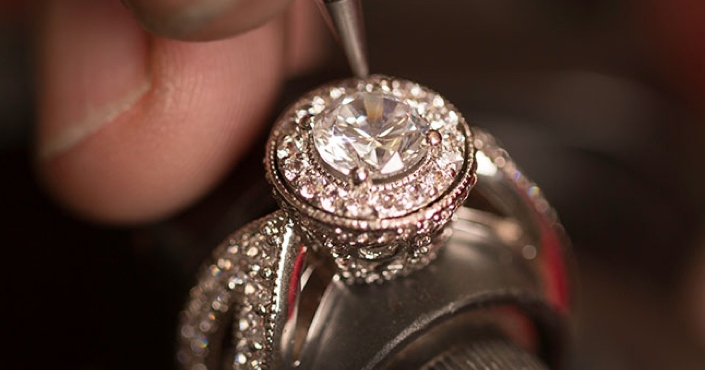
Cultured pearl engagement ring with milgrain details on the band

Known for classic elegance, when many people think of pearl jewelry they imagine a pearl necklace or a pair of simple pearl earrings. Considered “the Queen of gems”, a pearl symbolizes peace, wisdom and purity and was once reserved for royalty. Today, more and more couples are leaning towards one-of-a-kind engagement rings rather than sticking to the traditional diamond, which has resulted in more interest in cultured pearl engagement rings. Before you decide if the classic style is right for you, here’s what you should consider.

Facts About Cultured Pearl Engagement Rings

Like any gemstone, there are a few things to consider before you choose a cultured pearl for your engagement ring. Think about your priorities, budget, desired aesthetic and comparisons to other gemstones available. Here’s what you should know about cultured pearl engagement rings:

Benefits Considerations
Unique: Diamonds are still the most popular engagement ring gemstone. A pearl can be a beautiful alternative for a bride who wants to stand out. Pearls are soft: Ranking between 2.5 and 4.5 on the Mohs scale, pearls are much more susceptible to damage than other popular gemstones like diamonds and sapphires.
Goes with anything: A pearl has a classic look that can elevate any aesthetic and pair flawlessly with just about any skin tone. Require maintenance: Since pearls are more delicate than other gemstones, they can be susceptible to damage from everyday wear and will require more care.

Traditional: While a diamond is the most traditional engagement ring gem, a pearl still has a traditional reputation that balances both elegance and modern vibes.
Replacing the stone: You may want to consider replacing the pearl every few years to make sure your ring always looks its best.
Lots of options: From creative accents to a simple solitaire style, there are endless options for incorporating pearls into an engagement ring design.

Types of Pearls

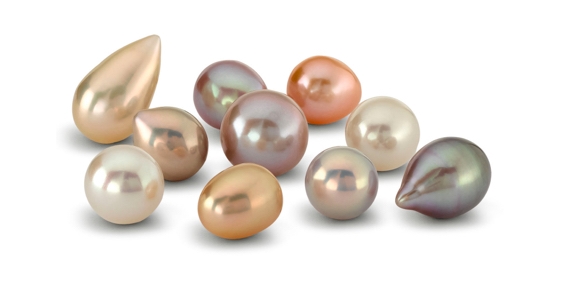
Just like all gemstones, pearls come in a variety of shapes, sizes and colors. White and cream are the most common colors but pearls can also come in black, rose, silver and ivory. You’ve probably heard the terms “natural” and “cultured” in relation to pearls, so here’s what you need to know about the difference between the two options:

Natural

Loose natural pearls in multiple shapes and colors

Without interference, only 1 in 10,000 oysters will create a pearl on their own. Since natural pearls are created in the wild with no assistance, they are much harder to find and therefore more expensive. Most natural pearls on the market today are vintage.

Cultured

Cultured pearl flower fashion ring

Cultured pearls are created by inserting a tiny irritant inside a mollusk. Farmers tend to the mollusk and nurture it so the natural process of nacre building around the irritant can occur and create a pearl. Almost all the pearls you’ll find in a store are cultured.

Related Articles