

Before choosing a cultured pearl engagement ring, consider your priorities, budget, desired style, and alternatives. Here is what to know:
Facts About Cultured Pearl Engagement Rings
| Benefits | Considerations |
|---|---|
| Diamonds remain the standard engagement ring choice, but pearls offer a unique, beautiful alternative for brides looking to stand out. | At 2.5 to 4.5 on the Mohs scale, pearls are far softer and more damage-prone than diamonds or sapphires. |
| With classic versatility, pearls elevate any look and flatter virtually any skin tone. | Because pearls are delicate, everyday wear requires extra care to prevent damage. |
| Though less conventional than diamonds, pearls blend timeless elegance with a modern edge. | You may need to replace the pearl every few years to keep your ring looking its best. |
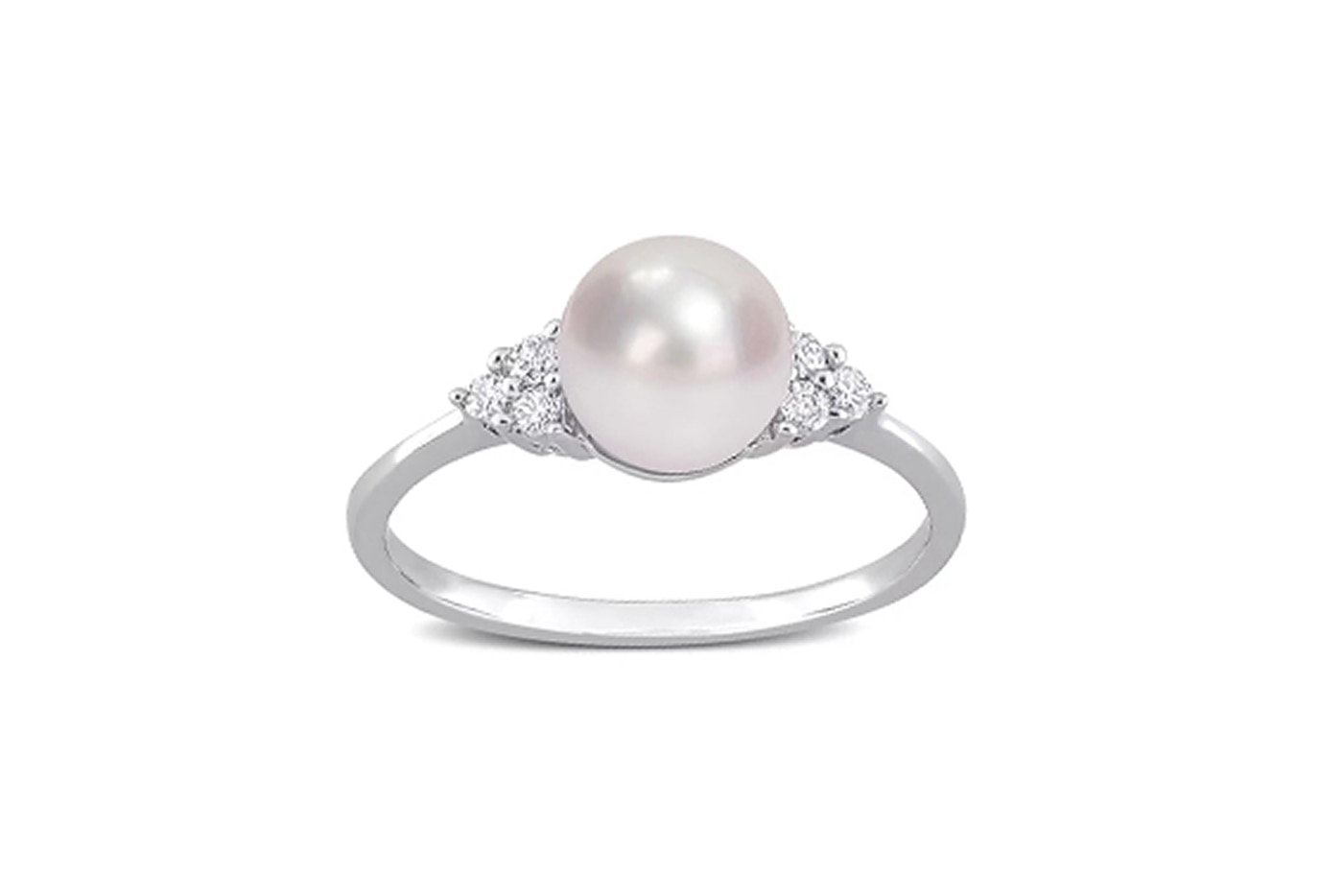
| From subtle accents to classic solitaires, pearl engagement ring designs offer endless versatility. |
Types of Pearls
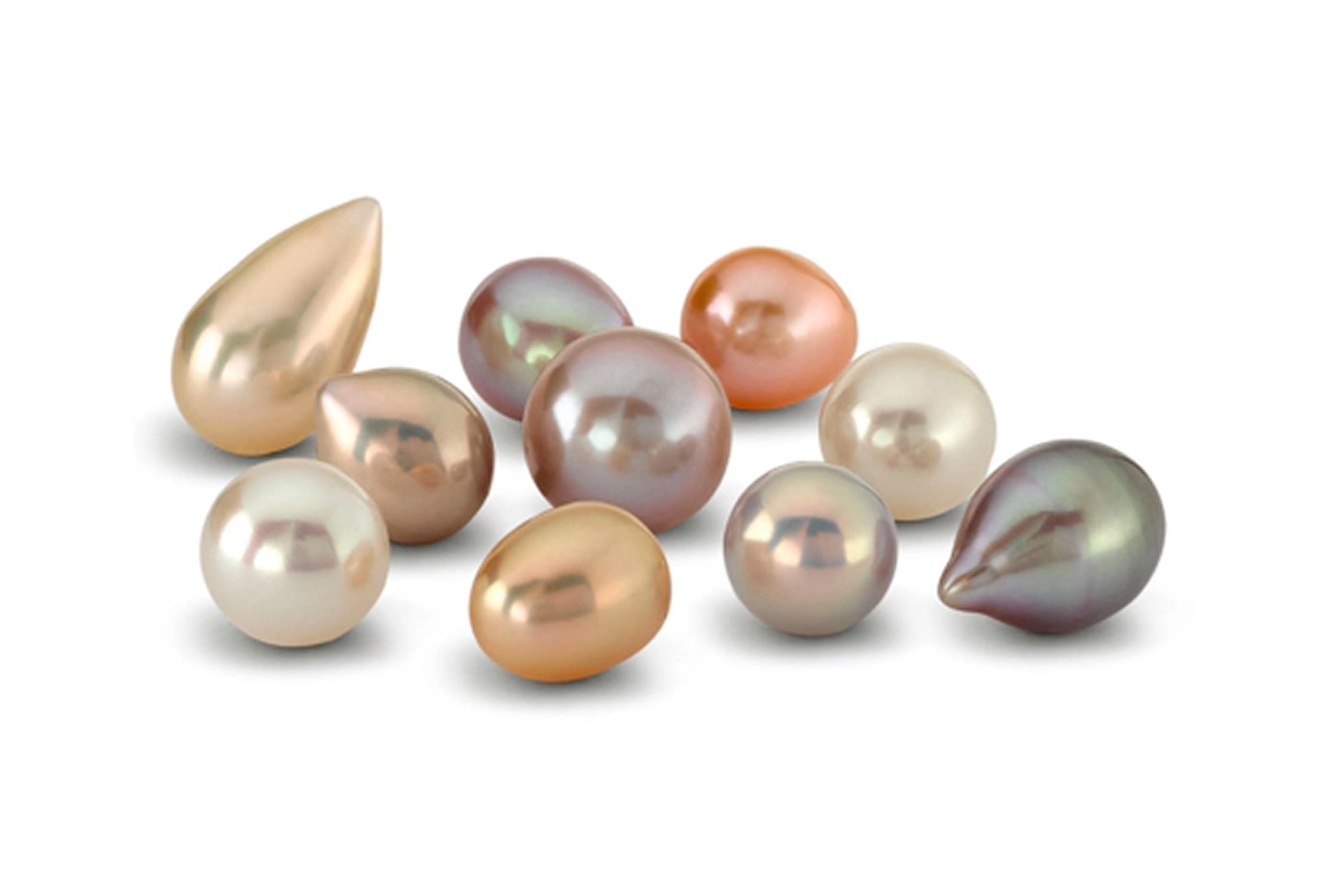
Pearls vary in size, shape, and color—from traditional white and cream to black, rose, silver, and ivory. Here is the difference between natural and cultured pearls:
Related Articles


Style Spotlight: Cultured Pearl Engagement Rings | Jared