
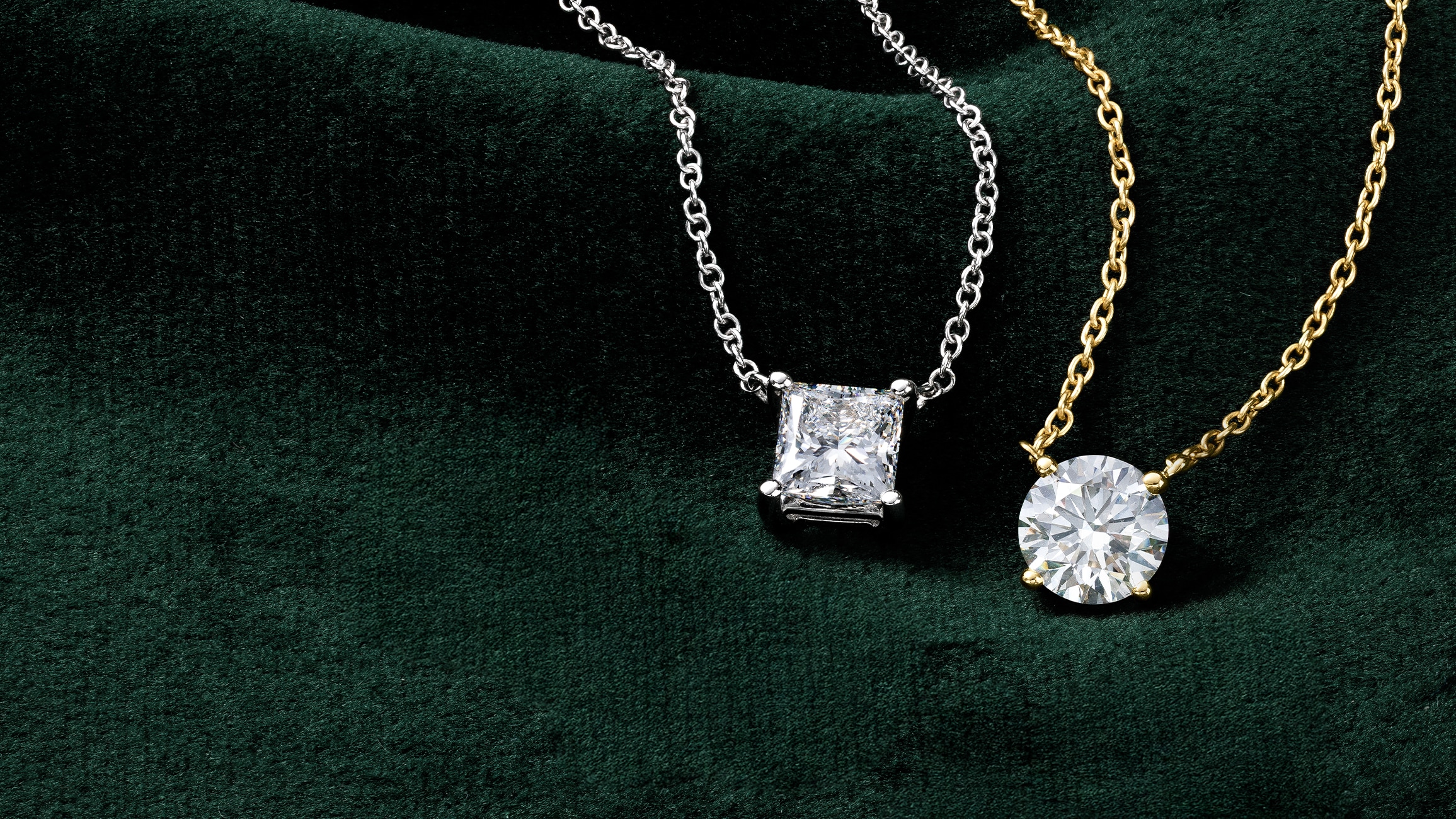
The two titans of precious metals: silver and gold. Both beautiful, both classics, but which should you choose? With this guide, we’ll walk you through the characteristics, styles, and care for gold-toned and silver-toned jewelry. Then you decide which silvers, golds, or mixed metal styles have a place in your jewelry collection.
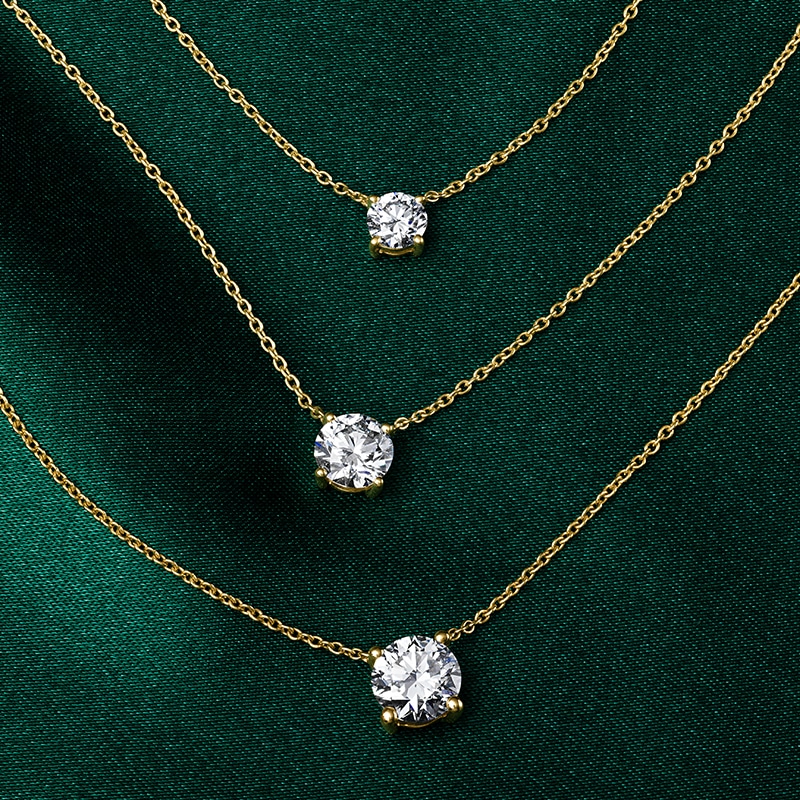
Should You Go for Gold?
Explore Yellow Gold's Radiance
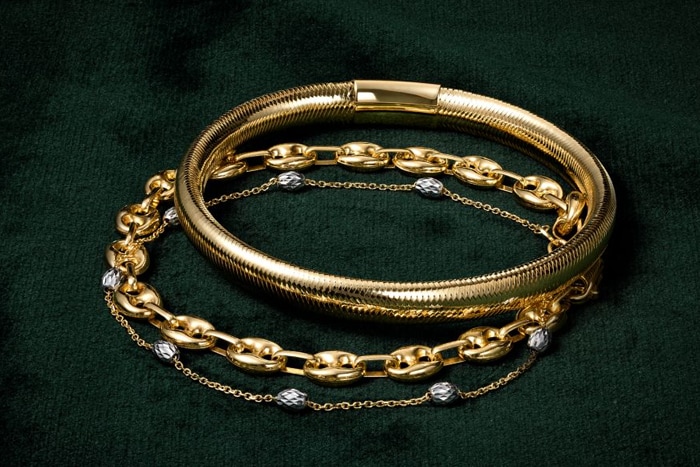
Yellow gold jewelry compliments any skin tone. And compared to silver-toned piece, gold jewelry has more warmth and vibrant color.
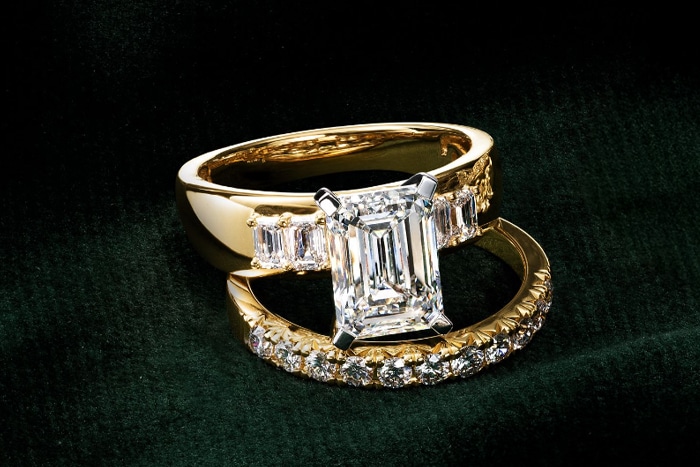
What makes a gold and diamonds together a timeless favorite? Placing a diamond in a yellow gold setting can actually make the diamond appear whiter in contrast.
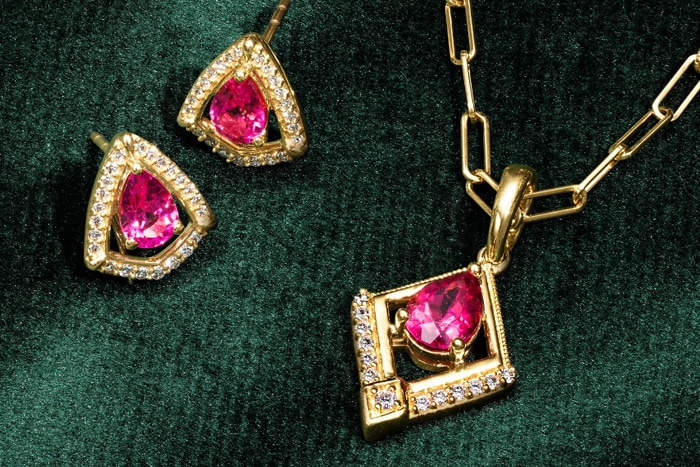
Yellow gold can pump-up the personality of gemstones jewelry. Yellow gold brings out the richness of warm-toned gemstones like ruby, citrine, garnet, and pink diamonds.
Gold Karat and Why it Matters
The standard measurement of gold is the karat, which is divided into 24 parts. Pure gold is 24 Karats, meaning 24 out of 24 parts are gold. Because pure gold is too soft to be used for jewelry, it is combined with other metal alloys to increase its strength. For instance, 14K gold is 14 parts gold and 10 parts other alloys, while 10K gold is more durable, with 10 parts gold to 14 parts other alloys. Alloys used with yellow gold include copper and silver. Rose gold is created by combining gold with large amounts of copper. When creating white gold, pure gold is combined with copper, zinc, and nickel (or palladium).
Gold Jewelry Care
Maintaining gold jewelry’s beautiful appearance all comes down to the proper care. First, be aware the higher the purity of gold the more upkeep it may need. The purest 24k gold and 18k gold are softer and prone to scratches, while 14k gold and 10k gold are more scratch resistant.
Over time gold jewelry’s luster can fade, but bringing gold pieces to a jeweler for polishing can restore its shine. If you choose to clean gold jewelry at home use with warm water and mild dish soap to gently polish and dry it completely with soft cloth. Gold jewelry holds up to everyday wear, but removing pieces during exercise or more manual tasks help can protect pieces from damage.
Top Gold Jewelry Styles
Bring on the glamour with minimalistic to extravagant gold jewelry styles.

Layered Chain Necklaces
Make a statement with a gold chain necklace with oversized links for next-level style.

Gold Tone Watches
Exude timeless elegance with a gold watch that complements any occasion.

Gold Hoop Earrings
No matter the size, gold hoop earrings are a style staple in every jewelry collection.

Gold Bangle Bracelets
Layer on gold bangle bracelets for extra luxury for formal to everyday looks.
Should you Shine with Silver?
Choose From a Variety of Silver-Toned Metals
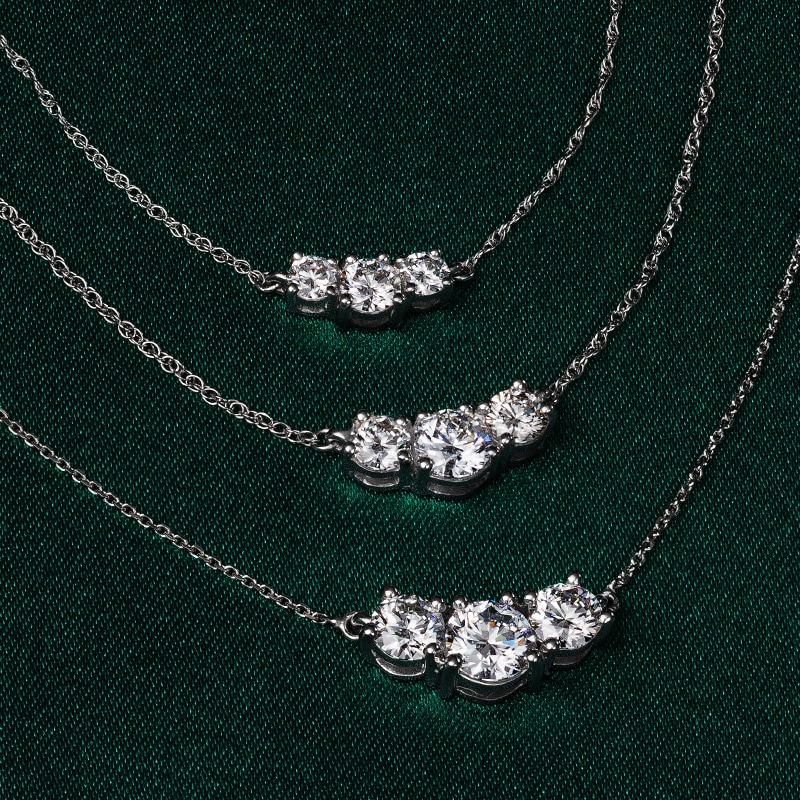
Keep it cool with silver-toned metals made for any occasion. Versatile and favored for its modern appeal, see why silver jewelry is a must for any jewelry collection.
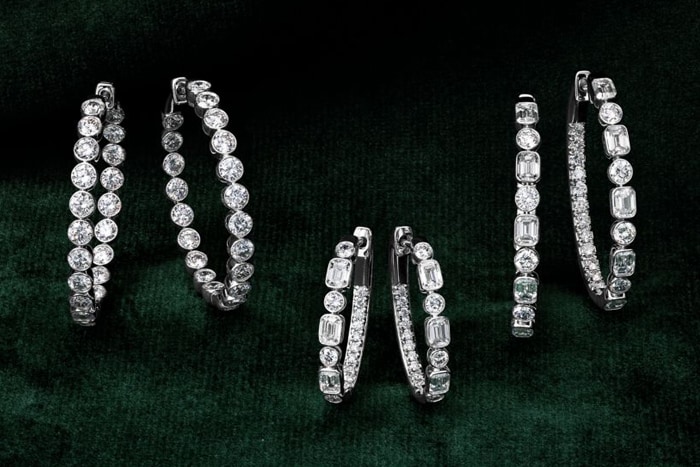
Choose from precious metals like platinum and white gold, or alternative metals such as titanium, stainless steel, tungsten or cobalt.
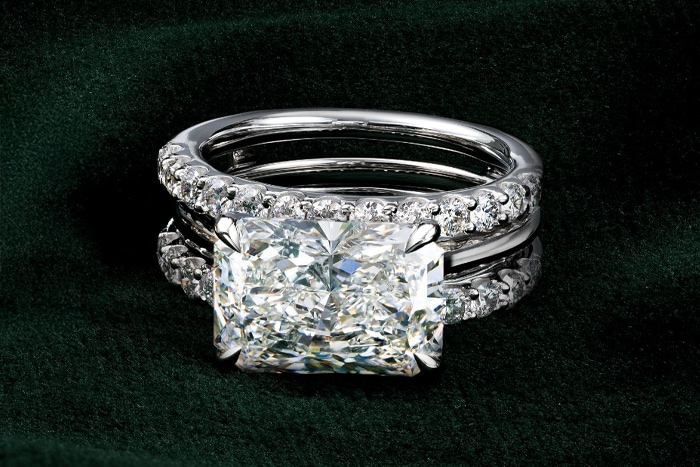
Silver-toned metals are perfect for wedding jewelry. Blend the brightness of your diamond with platinum or white gold for your engagement ring.
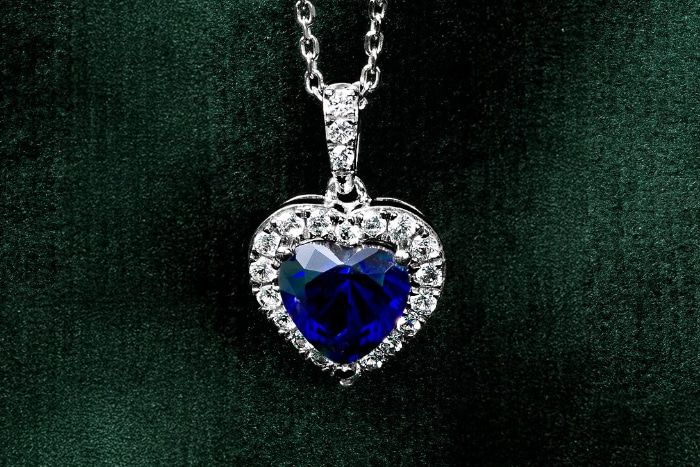
Pair white gold to platinum, or your choice of silver metal with cool-toned gemstones like emerald, sapphire, aquamarine, amethyst, or blue topaz.
Silver Jewelry Care
Silver-toned jewelry can be made with a variety of metals from white gold to platinum, titanium, tungsten, cobalt, and stainless steel. Silver jewelry needs different levels of care depending on the metal you choose. The longest lasting silver-toned metal for jewelry is platinum, which is highly durable and only needs occasional polishing over time.
Alternative metals like titanium, tungsten, and cobalt are all tarnish resistant. Stainless steel can rust, but with regular polishing it can last for decades. White gold is the softest of the silver-toned metals and can be scratched from heavy use or improper storage. Durable platinum and alternative metals will be your strongest options if you live a more active lifestyle, while you will need to be more mindful if you wear white gold jewelry.
Top Silver Styles
Make silver your signature look with silver-toned jewelry in these top styles at Jared.

Diamond Solitaire Necklaces
Add sophistication with silver pendant necklaces featuring stunning central diamond.

Silver-Tone Watches
Featuring durable stainless steel, explore the sleek design of silver watches.

Silver-Tone Earrings
Frame your face with dramatic silver drop earrings perfect for special occasions.

Silver-Tone Bracelets
Elegant silver tennis bracelets encircle your wrist with seamless sparkle.
Why Choose One? Explore Mixed Metal Styles
Silver or gold, why not both? There are no rules saying you have to choose just one. Explore mixed metal jewelry that bring out the best of both jewelry metals.

Mixed Metal Necklaces
Explore colorful layered chains and eye-catching mixed metal pendants.

Two-Tone Watches
Explore unique watch designs with a mixed metal face and metal band.

Mixed Metal Earrings
Get colorful with mixed metal stud, hoop, and dangle earring styles.

Mixed Metal Bracelets
Silver and gold stack and intertwine in our mixed metal bracelet designs.
Silver vs. Gold Jewelry | Jared