
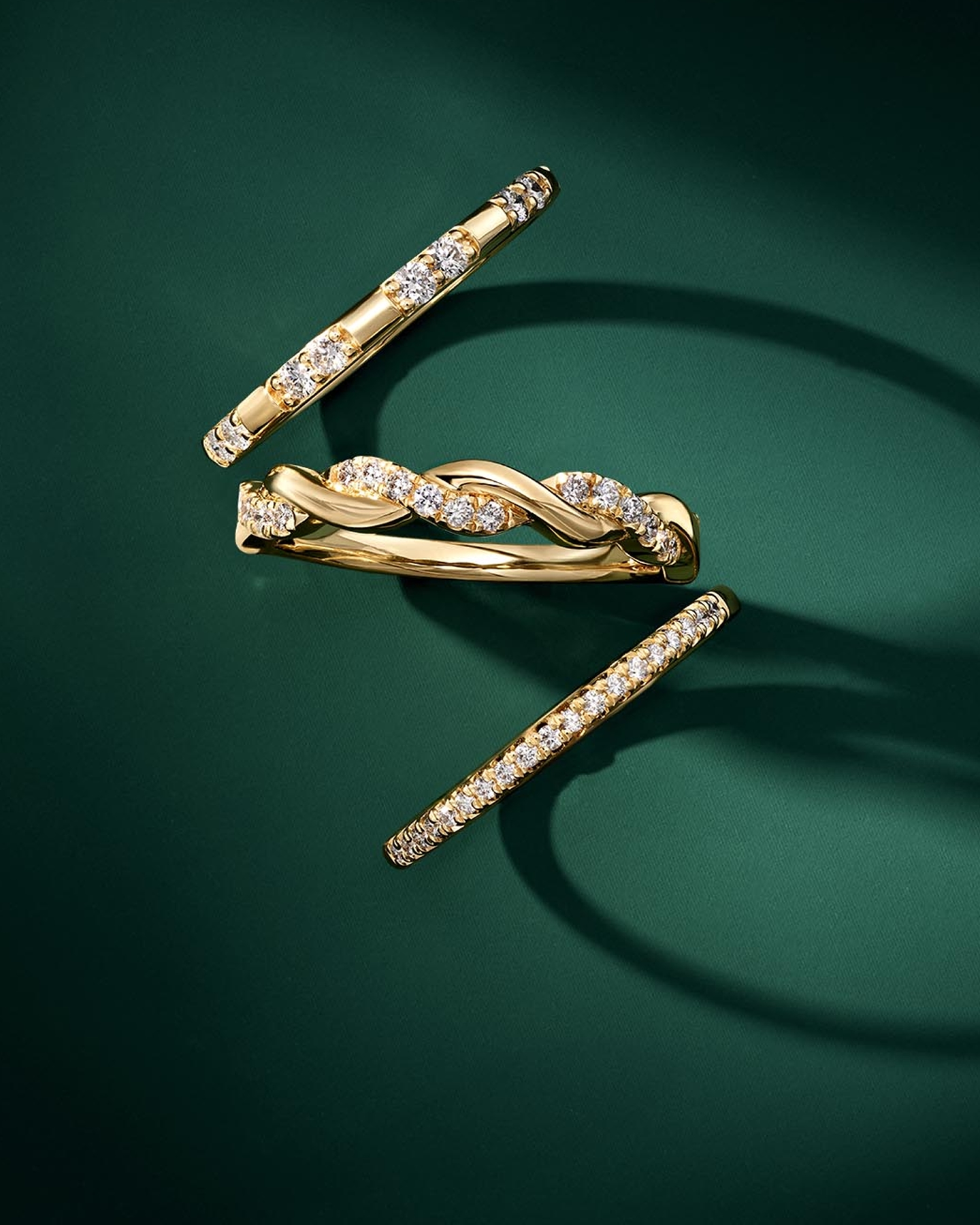
CLASSIC STYLE
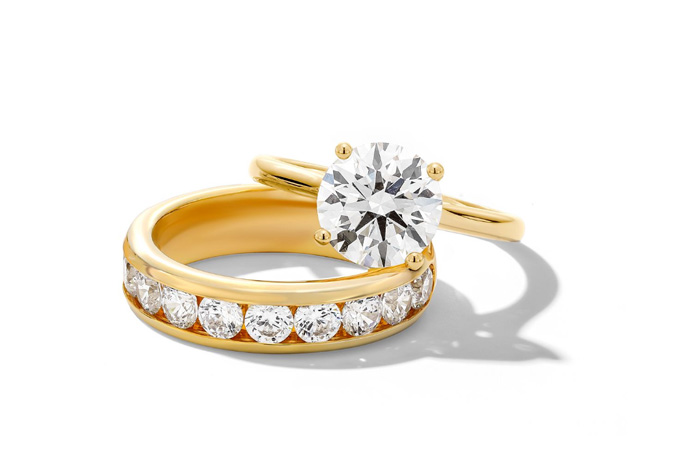
Yellow or White Gold
MAXIMUM SPARKLE
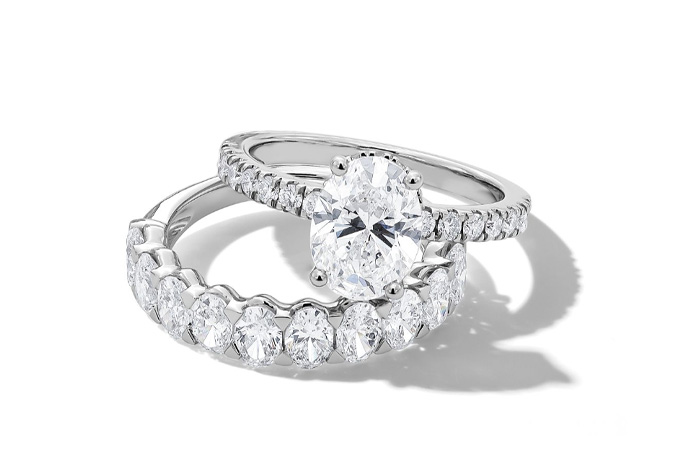
Pavé or Eternity Band
ACTIVE LIFESTYLE
Platinum or Titanium
STACKABLE LOOK
Thin Gold Bands
WEDDING RING BUYING GUIDE
How to Choose the Right Wedding Ring
A wedding ring is one of the few pieces you will wear every single day. That changes what matters when you are choosing one. Style is important, but so is how the ring feels after eight hours, how it holds up to daily wear, and whether it still looks right on your hand in ten years. Getting those things right requires more than picking a metal you like the look of.
This guide is organized around the decisions you will actually need to make: metal, style, width, setting and how your wedding ring will sit alongside your engagement ring if you are wearing both. Work through each section at your own pace, or use the quick reference bar above to go straight to what matters to you.
HOW TO CHOOSE A WEDDING RING
Six Decisions That Matter
Choosing a wedding ring comes down to a small number of practical decisions. Work through each one and the right ring becomes much easier to identify.
01
Choose Your Metal
The metal sets the tone for your wedding ring. Yellow gold reads warm and traditional. White gold and platinum offer a cooler, modern look. Rose gold brings a romantic warmth that has become a defining choice for contemporary wedding.
02
Select Your Style
Consider how your wedding ring will sit alongside your engagement ring, if you have one. A plain band offers maximum versatility. A pavé or eternity band adds brilliance. Stackable rings give you flexibility to build a look over time.
03
Decide on Width
Narrower bands (2–4mm) are delicate and understated, a popular choice for wedding rings worn alongside a more prominent engagement ring. Wider bands (5–6mm) make a stronger statement on their own.
04
Choose Your Fit
Comfort fit bands have a slightly domed interior that reduces friction against the finger. For a ring worn every day, this is a practical and worthwhile consideration.
05
Choose Your Lifestyle
If you work with your hands, train regularly, or spend time outdoors, a lower-profile band in a durable metal is the more practical choice. Pavé and channel-set styles are more secure than prong settings for active wear.
06
Set a Realistic Budget
Wedding rings span a wide price range. Diamond eternity bands and platinum rings typically start at a higher price. The right wedding ring is the one that fits your life and your budget, not a prescribed spend.
TYPES OF WEDDING RINGS
Styles Worth Knowing
Choosing a wedding ring comes down to a small number of practical decisions. Work through each one and the right ring becomes much easier to identify.
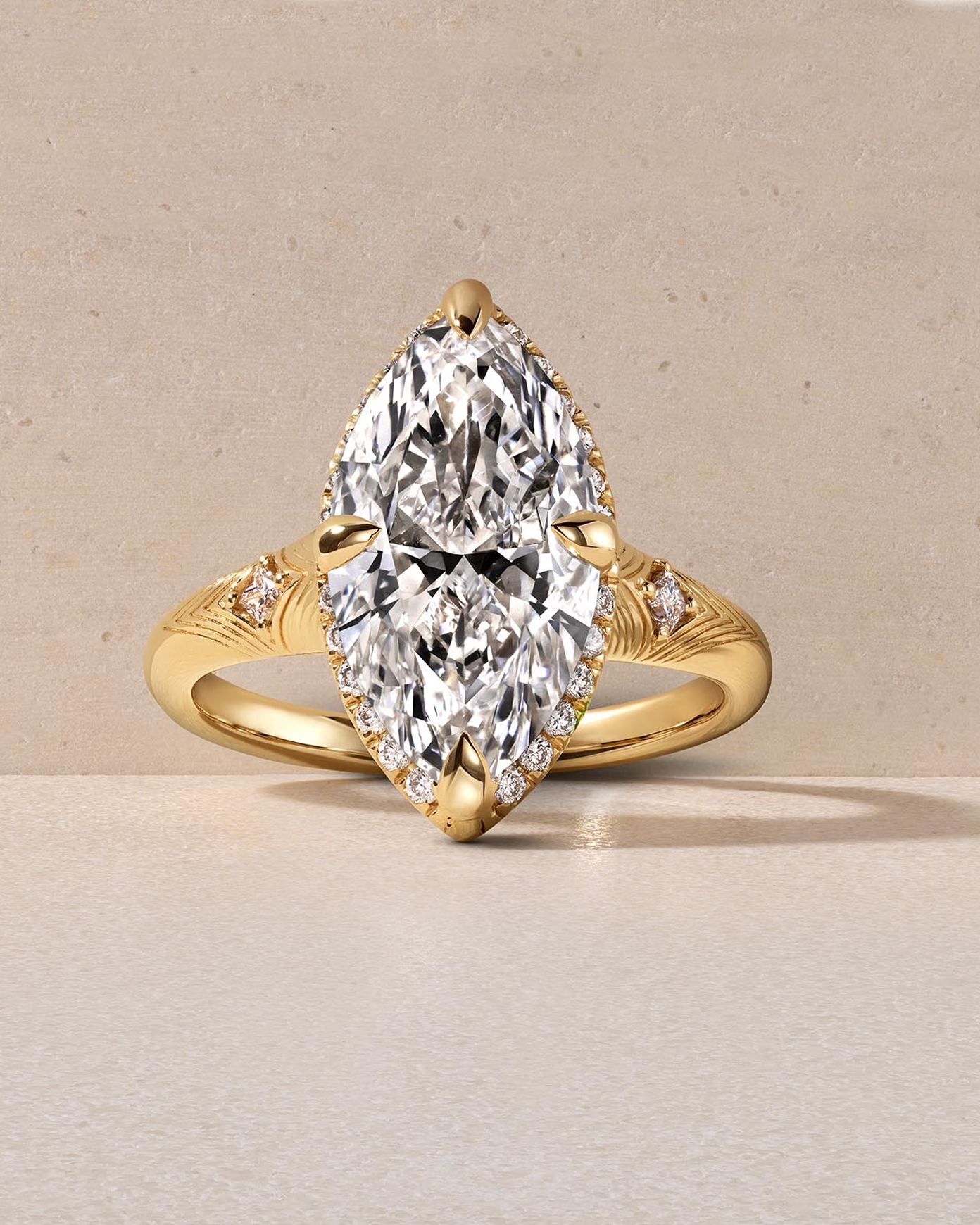
| Classic Band | A plain, polished band in gold or platinum. Timeless and versatile, it pairs with any engagement ring and suits every lifestyle. |
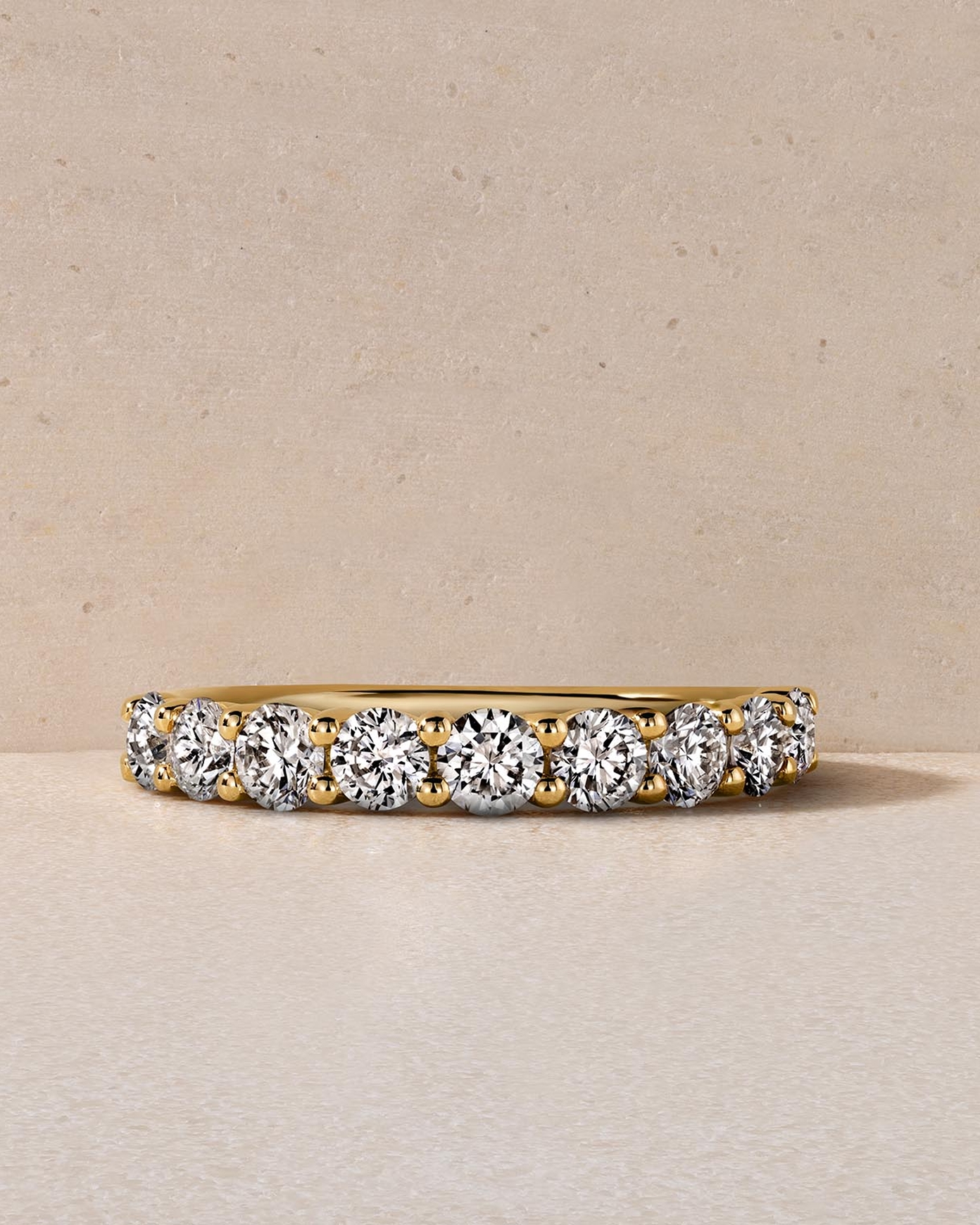
Pavé Band |
Small diamonds set closely together along the band surface, creating a continuous sparkle. A popular wedding ring choice for those who want brilliance without a large center stone. |
Channel Set Band |
Diamonds or gemstones set within a channel cut into the metal, flush with the surface. Secure and snag-free, well suited to active daily wear. |
Eternity Band |
Diamonds or stones encircling the entire band. A full eternity band is a meaningful wedding ring option, often chosen as an anniversary upgrade or alternative to a traditional band. |
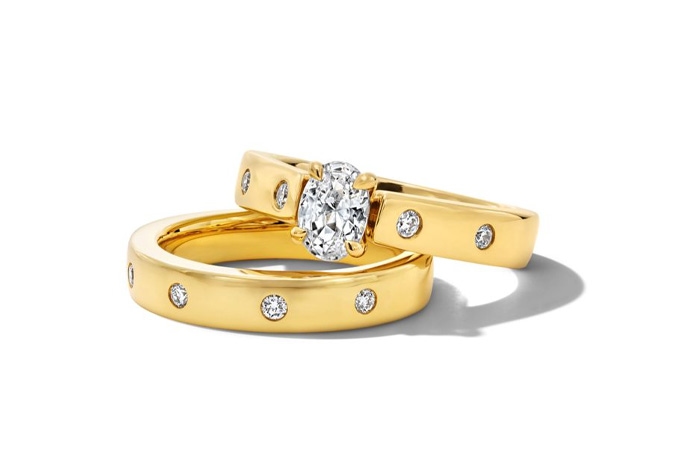
Stackable Ring |
Thin, delicate bands designed to be worn together. Stackable wedding rings allow for a personalized, layered look that can be built over time. |
Two-Tone Band |
Combines two metals, such as yellow gold and white gold or platinum, in a single band. A distinctive choice for those who want contrast and visual interest. |
METAL COMPARISON
Choosing the Right Metal for Your Wedding Ring
The metal you choose affects how your wedding ring looks, how it wears over time, and what maintenance it requires. Each option has genuine trade-offs worth understanding before you decide.
| METAL | DURABILITY | RESIZABLE | MAINTENANCE | PRICE | BEST FOR |
|---|---|---|---|---|---|
| Yellow Gold | Medium | Yes | High | $$ | Classic, timeless style |
| White Gold | Medium | Yes | Medium | $$ | Modern, platinum-like look |
| Rose Gold | Medium | Yes | Medium | $$ | Romantic, warm aesthetic |
| Platinum | High | Yes | Low | $$$ | Premium longevity, hypoallergenic |
| Titanium | High | Limited | Low | $ | Lightweight, active lifestyle |
BY LIFESTYLE
The Best Wedding Ring for How You Live
The right wedding ring is one that suits your daily life, not just the occasion. Consider how you spend your time and what you need from a ring you will wear every day.
Styles & Trends
What People Are Choosing Now
Wedding preferences have shifted considerably in recent years. A few patterns are worth noting when thinking about what will feel right long-term.
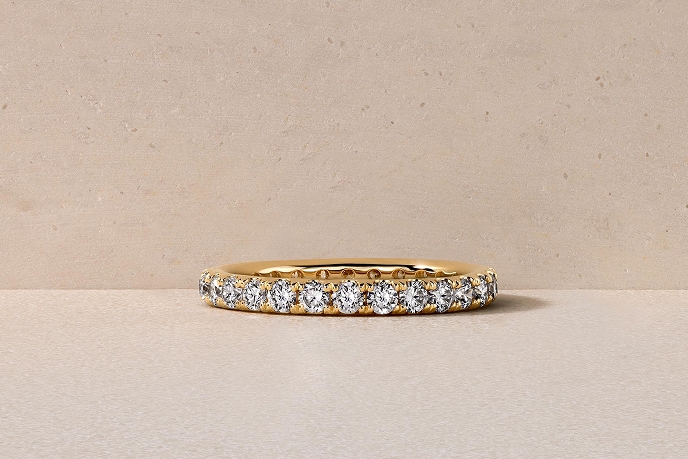
Thinner Bands
Narrower bands (2-3mm) have grown in popularity, particularly for those who want their wedding ring to sit flush alongside an engagement ring without competing for attention.
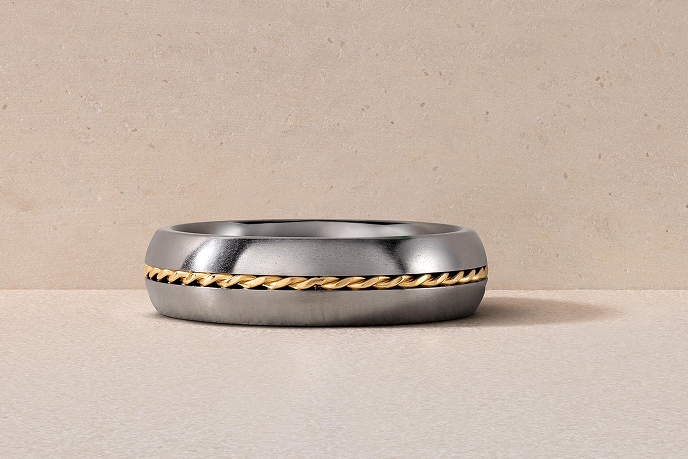
Mixed Metals
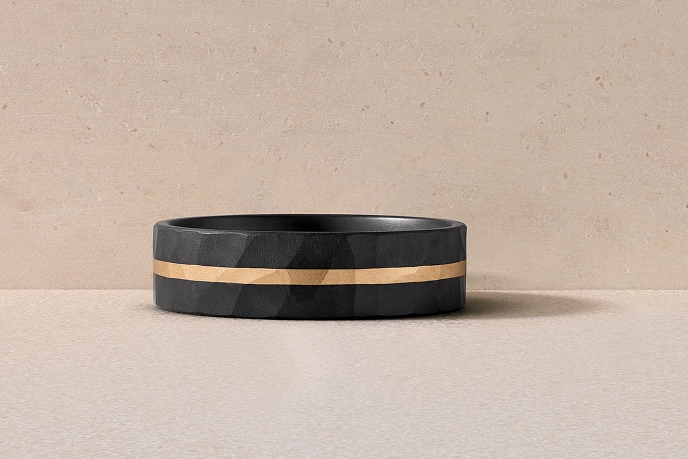
Two-tone rings combining yellow gold with white gold or platinum are a popular choice for those who wear jewelry in both warm and cool tones.

Stackable Rings
Wearing multiple thin bands together, sometimes in different metals or with small stones, allows for a personalized look that can be adjusted over time.
Sustainable Materials
Recycled gold and ethically sourced platinum are increasingly requested by buyers who want their wedding ring to reflect their values as well as their style.
Wedding Ring FAQ
An engagement ring is given at the time of a proposal and typically features a center stone. A wedding ring is exchanged during the ceremony and is designed for daily wear. Wedding rings are generally simpler in profile, though diamond wedding band and eternity ring styles are increasingly common. Many people wear both together after the ceremony.
There is no set rule. A well-made plain gold band can start at a few hundred dollars. Diamond pavé and eternity bands typically range from $800 to several thousand, depending on the metal and stone quality. The right wedding ring is the one that fits your lifestyle and budget, not a number based on convention.
It depends on your priorities. Platinum is one of the most durable and hypoallergenic option, making it a strong long-term choice. Gold in yellow, white, or rose offers more variety in tone and is easier to resize. White gold provides a similar look to platinum at a lower price point, though it requires occasional rhodium plating to maintain its finish.
Yes. Wedding rings are designed for daily wear. The key is choosing a metal and style suited to your routine. Plain bands and channel-set styles hold up better to active use than pavé or prong settings, which can catch on fabric or sustain more wear over time.
All metals are susceptible to surface wear over time. Gold shows fine scratches most readily, though a jeweler can typically polish them out. Platinum develops a natural patina that many wearers prefer. Titanium offers the highest scratch resistance among common wedding ring metals.
An eternity band features diamonds or gemstones set around the full circumference of the ring. It is a popular wedding ring choice for those who want continuous sparkle without a large center stone. Full eternity bands cannot be resized, so accurate sizing is important. Half eternity bands, which have stones on the top portion only, offer more flexibility.
Education
More Wedding Band Resources

Engagement Guide

Diamond Education

Financing Options

Ring Size 101
Wedding Ring Buying Guide | Jared