

Named after J.P. Morgan, one of the greatest financiers in history, morganite is a variety of beryl, a clear mineral that forms in hexagonal crystals. Ranging anywhere from pale pink to coral, the stone is often heat-treated to eliminate traces of yellow or orange and get the coveted clear pale blush or rose color that most people are after. According to some, morganite attracts compassion, assurance, healing and promise—all important aspects of a long and happy marriage.
What is Morganite?
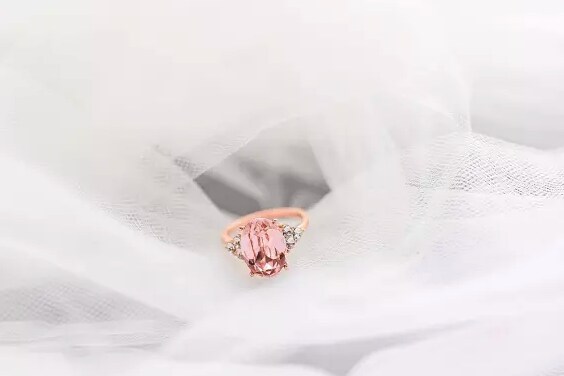
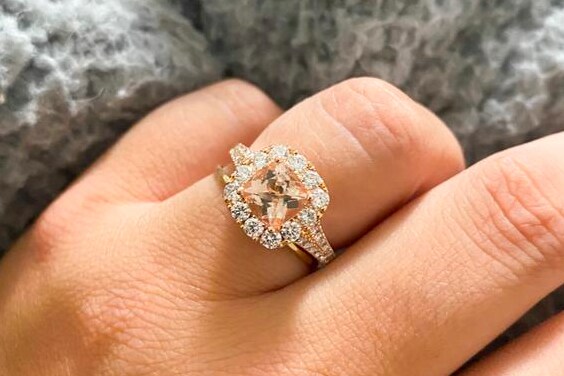
Morganite vs. Diamond
When many people think “engagement” they think diamond, but morganite is gaining in popularity among couples who are less concerned with tradition. Not sure if a morganite engagement ring is right for you? The gemstone you choose ultimately comes down to your priorities. Here’s how morganite compares to a diamond:
| Stone Features | Morganite | Diamond |
|---|---|---|
| Color | Pink, coral | Usually colorless |
| Popularity | Less common, gaining popularity | Most popular engagement ring stone |
| Mohs Scale (Durability) | 7.5 - 8 | 10 |
| Style | Modern, feminine, unique | Traditional, timeless, versatile |
| Brilliance | High | High |
| Popular Shape | Pear, cushion, square | Princess, round, emerald |
What to Look for in Morganite
As a colored gemstone, there is no standardized color-grading scale for morganite. Although lighter hues are still popular, top-quality morganite is usually a deeper pink. Morganite can come in a variety of shapes and sizes and it’s relatively easy to find an “eye-clean” (no inclusions visible to the naked eye) stone, which is the main thing to look for when shopping for morganite.
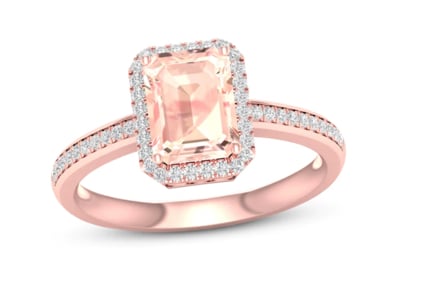
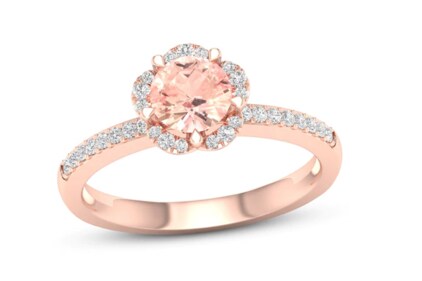
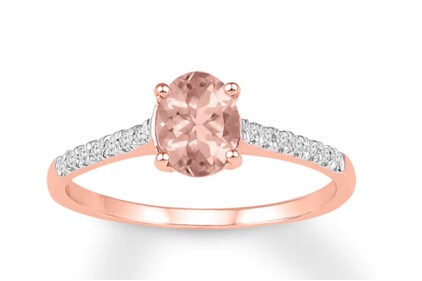
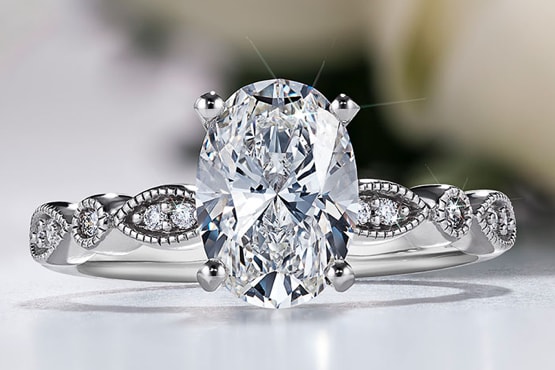
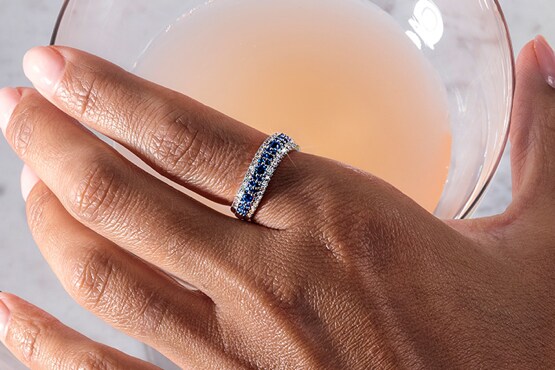
Style Spotlight: Morganite Engagement Rings | Jared