
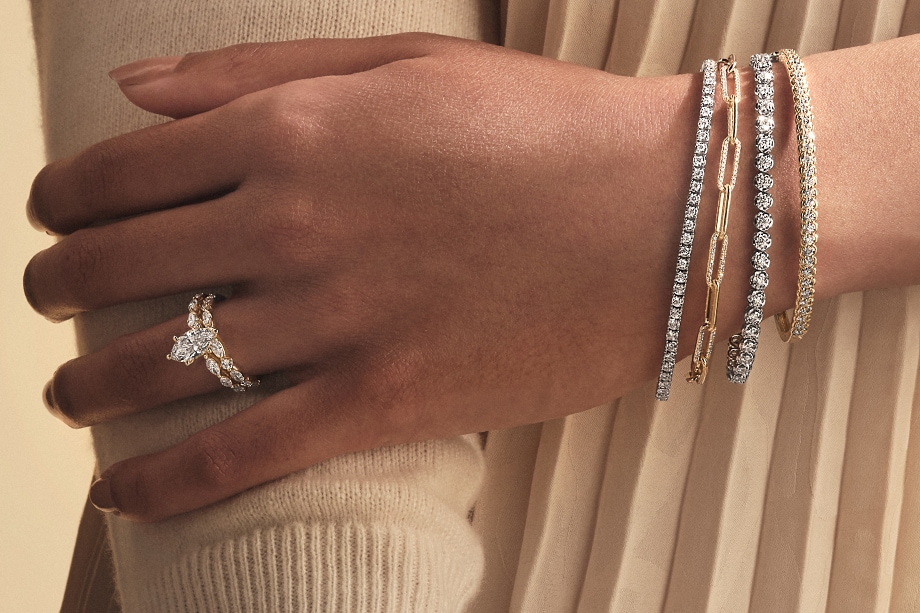
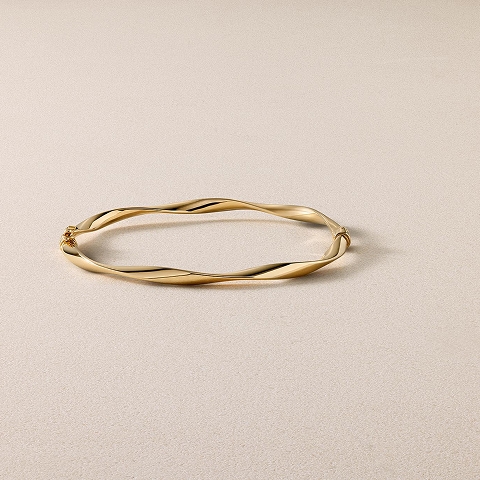
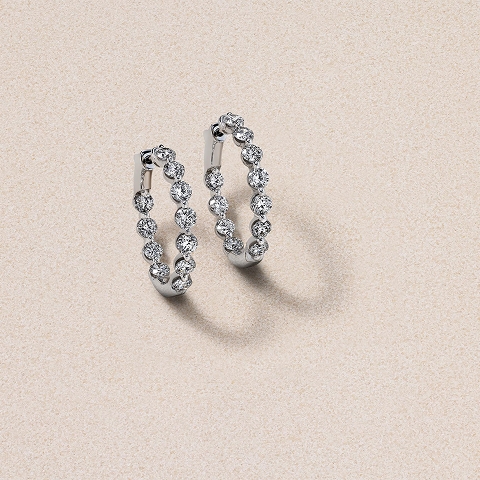
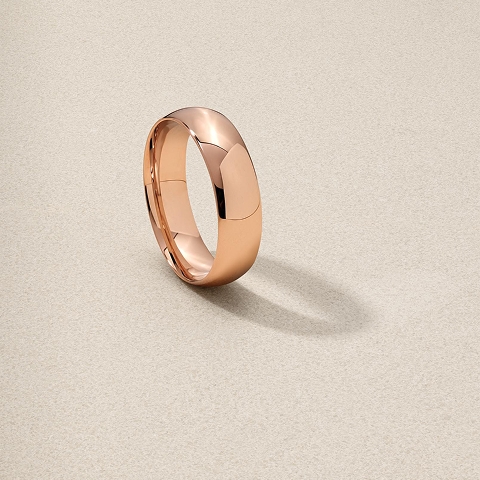
Gold karat is a measure of the purity of gold, with 24 karat being the purest form. All colors of gold, including yellow, white, and rose gold, have their own karat value. Gold karat purity, also referred to as the hallmark, can be found engraved on your jewelry, serving as a testament to the quality and authenticity of your gold jewelry.
| Karat Type | 10K Gold | 14K Gold | 18K Gold |
|---|---|---|---|
| Hallmarks | The stamped hallmark for 10K gold “417” referring to its 41.7% gold purity. | The stamped hallmark for 14K gold “583” referring to its 58.3% gold purity. | The stamped hallmark for 10K gold “417” referring to its 41.7% gold purity. |
| Hardness | With more alloyed metals, 10K gold is the most durable. | With more alloyed metals, 14K gold is very durable. | Since it is a purer gold, it less resistant to scratching and damage. |
| Gold Purity | 41.7% purity, 10 parts gold and 14 parts other metals. | 58.3% purity, 14 parts gold and 10 parts other metals. | 75% purity, 18 parts gold and 6 parts other metals. |
| Color Difference | 10K gold has a softer and paler coloration that higher karat golds. | 14K gold still has a rich hue but is not as vibrant as 18K gold. | 18K will appear the most vibrant in color. |
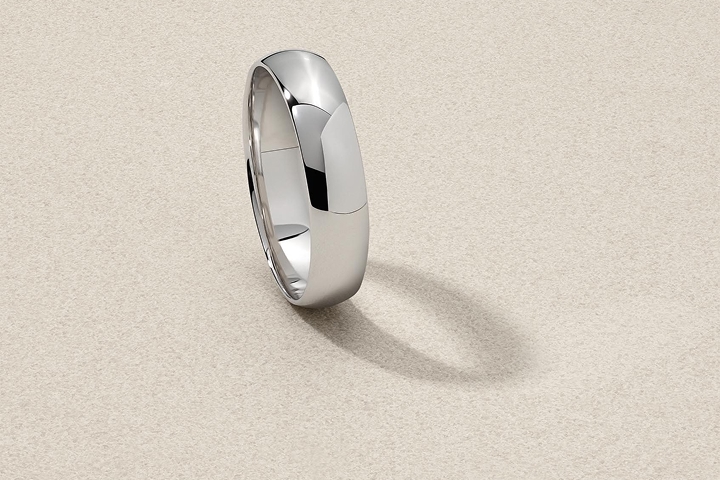
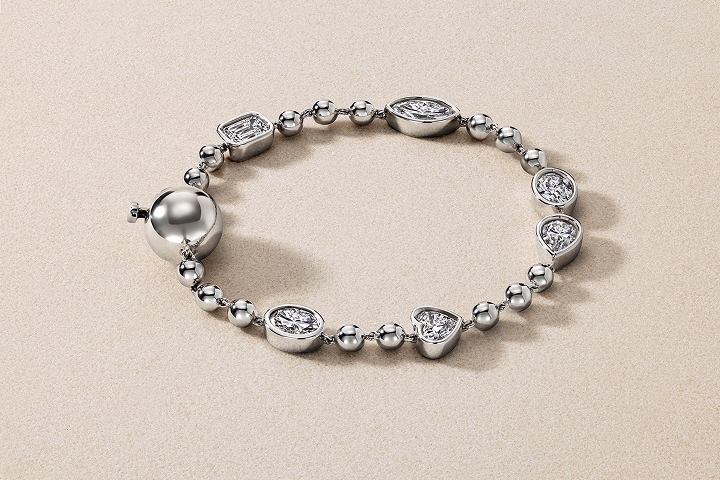
| Type | Gold | Sterling Silver | Platinum |
|---|---|---|---|
| Value | Value differs based on karat. 24k and 18k are the most valuable, followed by 14k and 10k gold. | One of the most affordable precious metals, it will be stamped with a ".925" hallmark verifying it is 92.5% pure silver. | High value, as one of the most prized precious metals. It will have the hallmark "PLAT" indicating a minimum of 90% platinum. |
| Care | Clean with warm water and dish soap, carefully dry with a soft cloth. | Sterling silver can tarnish. Store in a cool, dry place or in tarnish-preventative bags. | Clean with warm water and dish soap, carefully dry with a soft cloth. |
| Lifespan | 18k, 14k, and 10k gold rings can last a lifetime. | With proper care, sterling silver lasts for several decades of wear. | Can last a lifetime and be passed down through the generations. |
| Hypoallergenic | Gold can contain copper, nickel and zinc. Yellow gold is the most hypoallergenic compared to white gold and rose gold. | Sterling silver can contain zinc or nickel. It is not 100% hypoallergenic. | Platinum jewelry is hypoallergenic. |
| Strength | Higher purity gold (24k and 18k) is softer and can be scratched while 14k and 10k gold is more durable. | Sterling silver is a durable metal that can hold up to everyday wear. | Platinum is incredibly strong and is the most durable precious metal. |
| Restoration | Gold rings can handle resizing and professional polishing for restoration. | Tarnished sterling silver can be restored in the hands of a professional and this metal can handle resizing. | Overtime platinum patina (a frosted appearance from years of wear) can develop. This can be polished away to restore its original shine. Platinum can also handle resizing. |
| Rarity | While the metal itself is not rare, the work it takes to refine high quality gold for jewelry gives it its value. | Pure silver, used to make sterling silver, is rare because of its limited supply. Since sterling silver is alloyed with other metals, it less expensive. | Platinum is thirty times rarer than gold, which makes it more valuable and expensive. |
| Heft | The purer the gold, the heavier the ring will feel to wear. | Sterling silver has a more lightweight feel to wear. | Platinum is one of the densest precious metals and will have more of a heft than gold. |
Alternative Metals and Materials
Alternative metals and materials offer a world of possibilities, allowing you to explore contemporary designs, enjoy enduring durability, and choose jewelry that fits your lifestyle. Learn more about these unique materials in our Alternative Metals Guide.
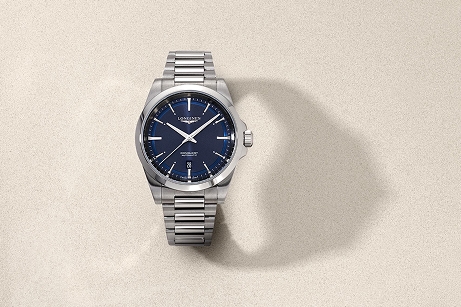
Titanium
Durability and stunning design come together in titanium jewelry.
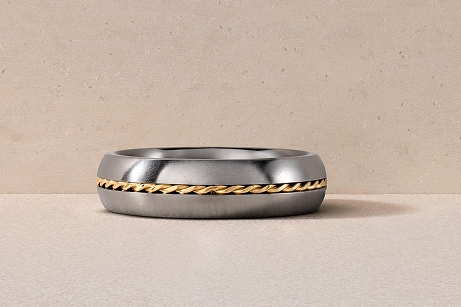
Tungsten
Strength meets sophistication with tungsten jewelry.
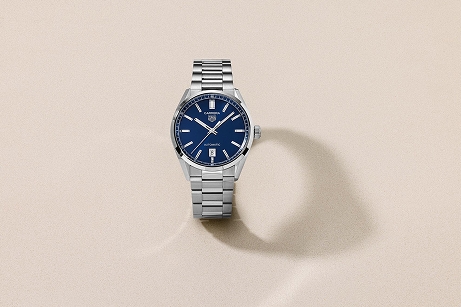
Stainless Steel
Go modern with sleek stainless steel jewelry styles.
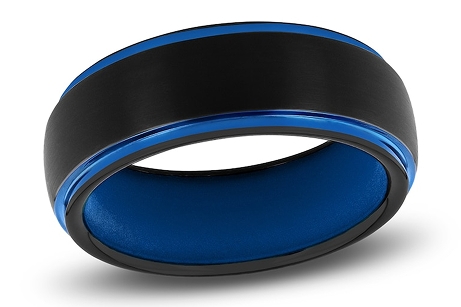
Silicone
Enjoy the versatility of silicone jewelry for when you're on-the-go.
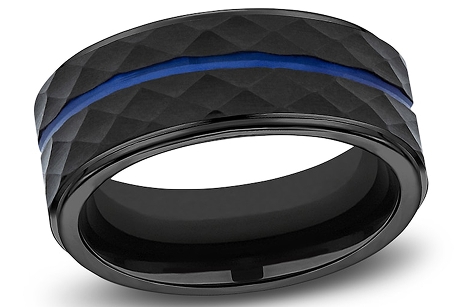
Cobalt
Resilient and refined, explore unique cobalt jewelry styles.
| Type | Cobalt | Tungsten | Titanium | |
|---|---|---|---|---|
| Value | Alternative metals, like cobalt, have less value than precious metals. | Alternative metals, like tungsten, have less value than precious metals. | Alternative metals, like titanium, have less value than precious metals. | |
| Care | Simple to clean with warm water, dish soap and dry with a soft cloth. | Simple to clean with warm water, dish soap and dry with a soft cloth. | Simple to clean with warm water, dish soap and dry with a soft cloth. | |
| Lifespan | Cobalt is tarnish resistant and non-corrosive so it lasts for decades. | Strong tungsten is tarnish resistant and can last a lifetime of wear. | Titanium is non-corrosive and can last a lifetime. | |
| Hypoallergenic | Cobalt jewelry is hypoallergenic. | Tungsten jewelry is hypoallergenic. | Titanium jewelry is hypoallergenic. | |
| Strength | Cobalt is one of the hardest alternative metals and nearly scratch proof. | Tungsten is one of the hardest metals used for jewelry, making it durable and low maintenance. | Titanium is very durable, but gold-plated styles can be more likely to scratch. | |
| Restoration | Cobalt rings can handle resizing and professional polishing for restoration. | Tungsten rings cannot be resized, it can be polished to restore its shine. | Titanium rings cannot be resized, it can be polished to restore its shine. | |
| Rarity | Cobalt is not a rare metal, making it an affordable option. | While tungsten is considered "scarce" it is not as rare as traditional precious metals. | Titanium is not as rare as traditional precious metals. | |
| Heft | Cobalt has a natural heft and will feel heavier to wear. | Tungsten has a natural heft and will feel heavier to wear. | Titanium has a more lightweight feel to wear. |
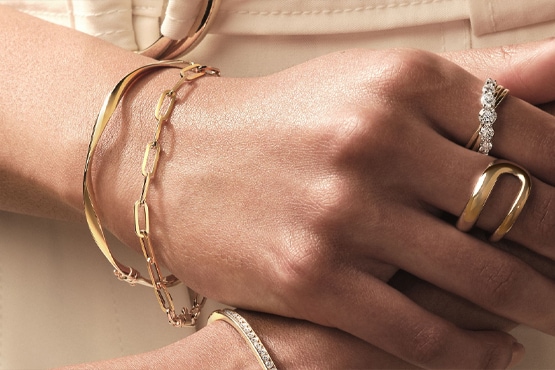
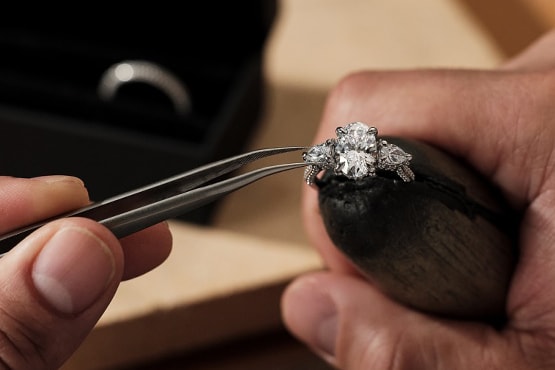
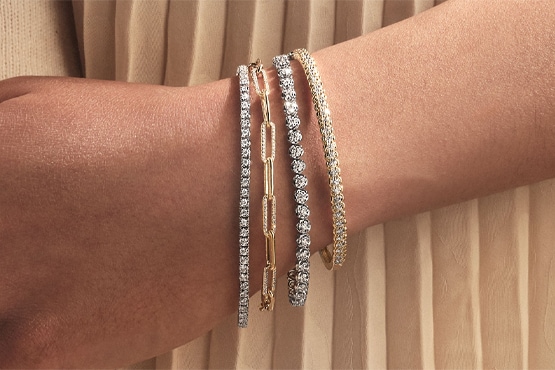
Explore our jewelry metals guide, where you can explore the world of jewelry metal types. Learn about classic precious metals like yellow gold, white gold, rose gold, platinum, and sterling silver. Get to know more about gold karat ratings and what they mean for your jewelry. Discover the uniqueness of alternative metals such as tungsten, titanium, stainless steel, cobalt, as well as alternative materials like silicone. Compare and learn how to choose the best jewelry metal type that suits your style and preferences, so you can find your perfect metal the next time you shop for new jewelry.
Jewelry Metal Guide | Jared